
Osseointegration surgery is a groundbreaking procedure designed to improve the quality of life for amputees by directly attaching prosthetic limbs to the skeleton. This technique offers significant advantages over traditional socket-based prosthetics, including enhanced stability, comfort, and functionality. For more information about osseointegration surgery, you can visit AOFE Clinics. Additionally, Targeted Muscle Reinnervation (TMR) surgery is another innovative approach that aims to improve prosthetic control and alleviate phantom limb pain.
How osseointegration surgery improves prosthetic use
Osseointegration surgery involves implanting a titanium rod into the remaining bone of an amputated limb. Over time, the bone grows and integrates with the implant, creating a secure attachment point for a prosthetic limb. This method eliminates the need for a socket, which often causes discomfort, skin irritation, and limited mobility.
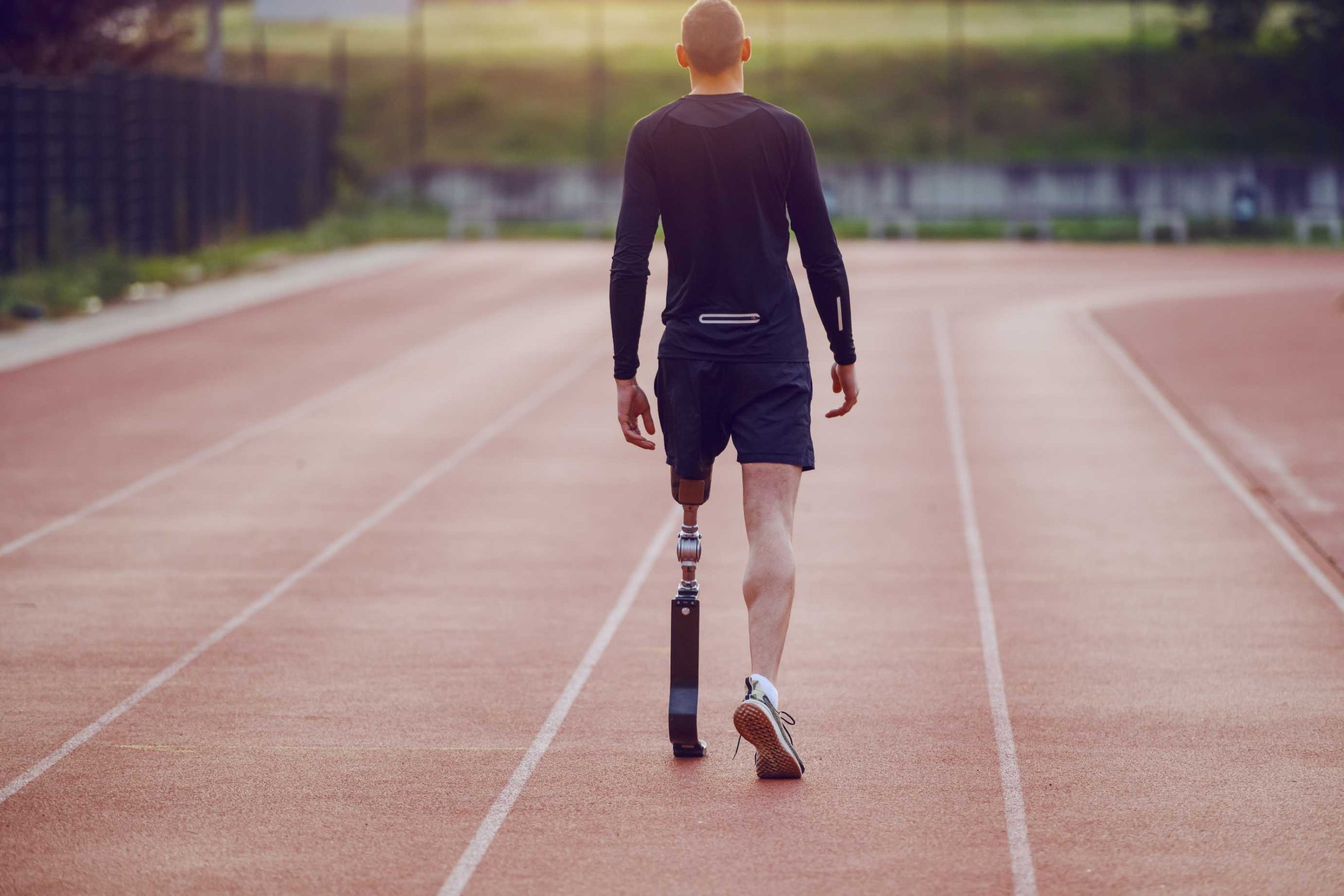
The stability provided by osseointegration allows for better control and a more natural gait. Patients often experience reduced pain and increased comfort, as the direct attachment avoids the pressure points and chafing associated with socket prosthetics. Furthermore, this integration enables patients to perform a wider range of activities with greater ease and confidence.
The procedure and recovery for osseointegration surgery
The osseointegration procedure typically occurs in two stages. The first stage involves the surgical insertion of the titanium rod into the bone. This rod extends through the skin, providing an attachment point for the prosthetic limb. After the initial surgery, a healing period of several months is necessary to allow the bone to integrate with the implant fully.
Once the integration is complete, a second surgery attaches the external prosthetic adapter to the implant. Rehabilitation follows, focusing on strengthening the residual limb and adapting to the new prosthetic connection. Physical therapy plays a crucial role in helping patients regain mobility and learn to use their new prosthesis effectively.
Understanding targeted muscle reinnervation (TMR) surgery
Targeted Muscle Reinnervation (TMR) surgery is another advanced technique that benefits amputees, particularly those experiencing phantom limb pain or seeking improved prosthetic control. TMR involves rerouting the nerves that once controlled the amputated limb to remaining muscles. These muscles then serve as new control sites for the prosthetic limb, allowing for more intuitive movements.
During TMR surgery, surgeons identify and redirect specific nerves to targeted muscles. For example, nerves that controlled the hand can be connected to chest muscles. When the patient thinks about moving their hand, the chest muscles contract, sending signals to the prosthetic limb to perform the desired movement. This method enhances the natural control and functionality of the prosthetic.
Combining osseointegration and TMR surgery can provide a comprehensive solution for amputees. Osseointegration offers a stable and comfortable attachment for the prosthetic limb, while TMR enhances the control and responsiveness of the prosthesis. Together, these techniques can significantly improve an amputee’s quality of life.
Patients who undergo both procedures often report increased satisfaction with their prosthetic limbs. The secure attachment of osseointegration, combined with the intuitive control provided by TMR, allows for more natural and precise movements. This combination can also reduce phantom limb pain, a common issue for many amputees.